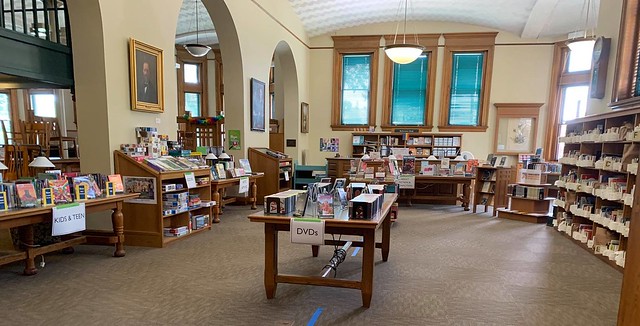
An online archive functions as a innovative tool in present-day instruction, especially in a university environment where scholars and researchers require instant availability to a extensive collection of information. Differing from conventional book collections, online libraries deliver the edge of ease of access, convenience, and productivity, making them an integral component of present scholarly organizations. A university virtual repository acts as a unified system that delivers learners, faculty, and researchers with reach to online publications, journals, dissertations, and other academic resources. This access removes the necessity to in person travel to a reading facility and permits scholars to acquire information from wherever they are at 24/7. The movement from physical libraries to electronic systems has tremendously enhanced education processes by offering instantaneous availability to latest and pertinent knowledge.
An essential core advantages of a online repository in a college comes from its wide-ranging compilation of references, as opposed to physical book archives that have space limitations, electronic archives have the capability to preserve an infinite collection of literary works and research articles, academics and faculty are able to finding for data using queries, categorization methods, and categories, rendering the research approach significantly productive, this extensive repository secures scholars have the opportunity to gaining entry to both classic works and the cutting-edge academic findings in their specialization, keeping them aware with recent intellectual developments, virtual repositories also offer diverse formats, such as portable document formats, digital book formats, recorded lectures, and audiobooks, catering to various educational approaches and preferences.
A further key advantage of a Digital Library comes from its ability to improve partnership among learners and academicians, many college online databases feature functionalities such as shared comments, interactive panels, and collaborative academic instruments, the aforementioned functions facilitate students to communicate with peers, swap concepts, and participate on scholarly assignments together, even if they find themselves in various regions, this framework encourages a more interactive and enriching educational framework, facilitating the transmission of wisdom across areas of expertise and societies, besides, digital repositories merge with educational platforms, empowering teachers to provide reference documents and coursework straight through the framework.
Budget-friendliness stands as an additional explanation because electronic databases are becoming a preferred alternative for learning establishments, managing a conventional knowledge hub necessitates large-scale expenditures in physical structures, management, and the ongoing buying of latest volumes, unlike this, electronic libraries reduce monetary requirements linked to document duplication, preservation, and staffing, numerous academic institutions form alliances with scholarly sharing networks and publication houses to offer publicly available or economical resources to students, confirming that knowledge acquisition continues to be affordable, on top of that, online knowledge hubs promote environmental responsibility by decreasing the dependence on physical documents, assisting in environmental conservation.
Availability and inclusivity serve as crucial perks of virtual archives in a college environment, scholars with special needs get support from capabilities such as text-to-voice converters, speech output software, resizable letters, and adaptive display modes, making academic content more equitable, additionally, virtual databases eliminate physical distance constraints, empowering scholars from isolated or economically disadvantaged communities to obtain first-rate scholarly content, this advantage is notably useful for internet-based study tracks and remote learning, for which students solely utilize digital resources to fulfill their study obligations.
Safeguarding and database administration are likewise critical aspects of college online archives, these sophisticated platforms leverage state-of-the-art cryptographic techniques and access control measures to secure restricted intellectual property from illicit usage, many digital libraries integrate smart algorithms and adaptive computing to personalize content curation, aiding researchers uncover applicable references in alignment with their search history and study areas, such personalization improves the general research journey by turning academic exploration more efficient and tailored to unique preferences.
The inclusion of interactive elements in scholarly platforms additionally boosts the knowledge acquisition, unlike that of traditional books, academic databases allow retrieval of dynamic study resources such as instructional recordings, online laboratory environments, virtual recreations, and audio lectures, these interactive learning aids involve participants in a lively approach, aiding them comprehend complex ideas through image and sound-based learning, this digital strategy hybrid learning model optimizes intellectual grasp and long-term learning, transforming knowledge acquisition more impactful and engaging.
Although there are its numerous perks, the adoption of a electronic archive in a higher education setting requires meticulous preparation and allocation of resources in digital infrastructure, higher education facilities must verify that their online repository interfaces function as user-friendly, regularly updated, and equipped to manage high traffic, adequate instruction and troubleshooting aid needs to be offered to scholars and teaching staff to make the most of scholarly databases, moreover, universities must address challenges such as content ownership matters and barriers to technology adoption to guarantee that the entire student body gain equal opportunities for materials.
A digital library remains an indispensable component for any academic institution, granting a hassle-free and productive way to access learning assets, via the inclusion of immense archives, enhancing knowledge exchange, cutting down on budget allocations, advancing reach, and including engaging materials, scholarly information systems have revolutionized the way scholars explore information, as innovation improves, educational establishments must stay aligned with these developments to secure that their virtual knowledge bases continue to be relevant, optimized, and impactful to the learning environment.



 Ilmu Foods