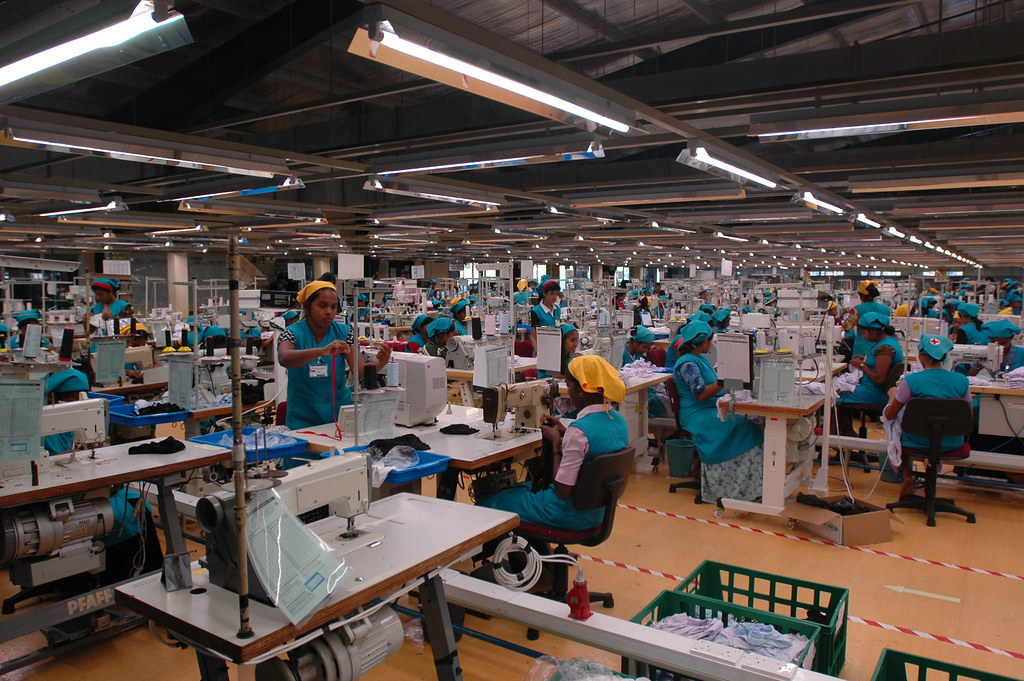
Bali, the alluring Indonesia’s isle famous for its stunning landscapes, rich traditions, and dynamic arts scene, is not only a sought-after tourist destination but also a hub for the booming garment industry. The island’s apparel business, frequently known as as the “clothing heritage of Bali,” smoothly combines unites heritage and modernity, producing garments that not just mirrors the locale’s cultural legacy but additionally caters to current style movements.
Central to the Bali Garment business dwells the utilization of traditional textiles. Balinese traditional textiles are renowned for their detailed designs, vibrant colors, and meaningful cultural relevance. Fabrics like “ikat” and “batik” occupy a central place in the island’s textile heritage, each communicating a unique narrative through the motifs and patterns woven or imprinted onto them. These fabrics transcend mere fabric swatches; they carry Bali’s history, beliefs, and rituals.
The Bali Garment industry stands out for its commitment to upholding craftsmanship skill. Talented artisans, frequently engaging within their community communities, participate in detailed processes that transform natural elements into captivating garments. From staining and weaving to embroidery and embellishments, every single step in the creation of a Bali garment proves the passion these craftsmen have toward their heritage.
While anchored in tradition, the Bali Garment industry exhibits effectively adapted to the needs of the modern fashion scene. Designers and entrepreneurs collaborate to incorporate heritage textiles into up-to-date clothing designs, leading to unique pieces that are both culturally rich and fashionable. This fusion permits the business to meet the needs of both markets in search of traditional wear and international audiences interested in innovative designs.
Over the past few years, the Bali Garment industry has taken significant strides to attain sustainability and ethical production. With heightened global awareness of environmental and labor concerns, numerous stakeholders within the industry are accepting eco-friendly materials, ethical labor practices, and fair trade principles. This devotion not solely guarantees the durability of the industry but additionally conforms with the island’s harmonious way of life.
While the Bali Garment industry showcases noteworthy tenacity and adaptability, it is not lacking its challenges. Competition from mass-produced, cheaper alternatives represents a threat to the existence of traditional practices. Additionally, the industry is required to navigate the intricacies of intellectual property rights to defend its cultural assets from exploitation.
However, these obstacles also open doors to innovation and collaboration. The rise of e-commerce and digital platforms gives a global stage for Bali garment. Collaborations between local artisans and international designers present novel perspectives and widen the industry’s reach.
As the Bali Garment industry progresses further, it is essential to uphold a fragile balance between tradition and modernity. Actions to advance education and skill development within local communities can strengthen the future wave of artisans to sustain the legacy of traditional textiles and craftsmanship.
In summary, the Bali Garment industry stands as a testament to the island’s capability to embrace change while honoring its cultural roots. With its harmonious blend of tradition and contemporary aesthetics, this industry exemplifies the essence of Bali’s artistic and cultural heritage. During we witness its journey, it becomes clear that the Bali Garment is not merely a piece of clothing, but a vibrant embodiment of history, creativity, and identity.
 Ilmu Foods